Preparing a home for sale doesn't mean turning it into a renovation project.
In fact, one of the biggest mistakes sellers make is spending money on updates buyers may never value enough to justify the cost.
The goal is simpler: make the home feel cared for, easy to picture yourself in and ready for its next chapter.
Here’s where to focus.
Start with what buyers notice first
Before you start choosing cabinet colors, walk through your home like a buyer would.
What catches your eye immediately?
Look for:
- Scuffed walls
- Worn flooring
- Outdated light fixtures
- Loose hardware
- Overgrown landscaping
- Cluttered rooms
- Obvious maintenance issues
These details can make a home feel older or less cared for than it actually is.
Fixing the obvious tends to be more useful than adding something flashy.
Paint can do more than you think
A fresh coat of paint can make rooms feel cleaner, brighter and more cohesive.
That doesn't mean every wall needs to be white. It does mean strong personal colors or heavily customized rooms may be worth reconsidering before listing.
Choose colors that help buyers notice the space rather than the paint.
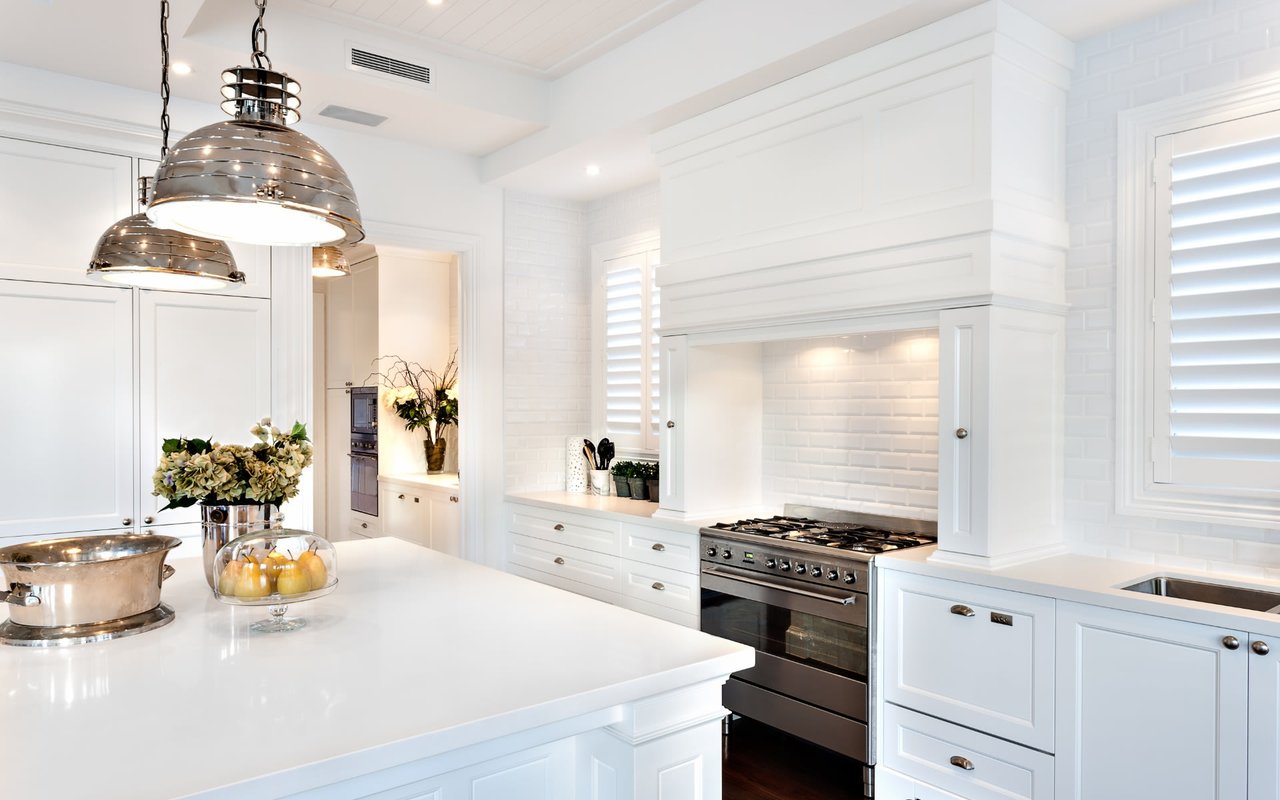
Make the kitchen look cared for—not brand new
A full kitchen renovation isn't automatically the right move before selling.
Instead, look at the details.
Could the cabinet hardware be updated? Would a new light fixture help? Are the counters and backsplash in good condition? Does the room need a thorough cleaning and decluttering?
Sometimes a few targeted improvements give the kitchen a much-needed reset without turning your pre-sale checklist into a six-month construction project.
Light matters
Good lighting changes how a home feels.
Replace dated fixtures where appropriate. Make sure bulbs are working. Open blinds and curtains before showings. Clean windows.
You want buyers to see the home clearly, including its best features.
Declutter with purpose
Staging isn't about making your home look empty.
It's about making the space easy to understand.
Clear countertops. Reduce furniture where rooms feel crowded. Organize closets. Remove items that make spaces feel smaller than they are.
A buyer should be able to walk into a room and immediately understand how it works.
Don't forget the exterior
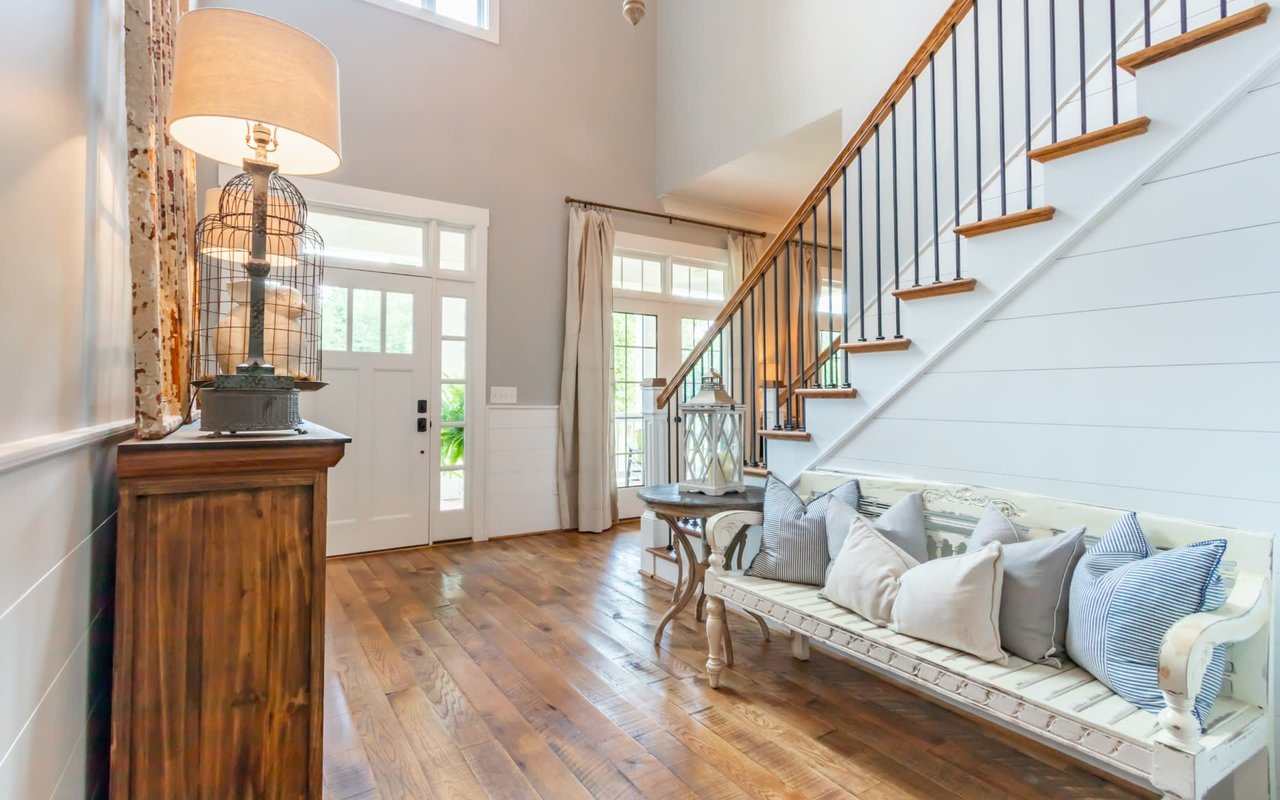
The front of your home sets the tone before anyone walks through the door.
Simple improvements can go a long way:
- Trim landscaping
- Clean the entry
- Wash exterior surfaces where needed
- Replace tired house numbers or light fixtures
- Make sure the front door looks inviting
- Keep the driveway and walkways clean
You don't necessarily need a dramatic landscaping overhaul. You need a clean, maintained first impression.
Know what not to update
This may be the most important advice.
Don't automatically replace everything you don't personally like.
That oversized bathtub you dislike may not bother the next owner. Your countertops may be perfectly serviceable. The flooring may have another several years of life.
Before spending thousands of dollars, consider the likely return and ask whether the change solves a problem buyers will actually notice.
Think like a buyer, not a homeowner
You've lived with your home long enough to stop seeing some of its quirks.
A fresh set of eyes can help.
Walk through the property room by room. Identify what needs attention, what should be cleaned, what should be stored and what is worth updating.
Then prioritize.
A well-prepared home doesn't need to be perfect. It needs to show buyers that it has been thoughtfully maintained and that they can see themselves living there.
If you're thinking about selling, a pre-listing conversation can help you decide which projects are worth doing—and which ones you can confidently skip.